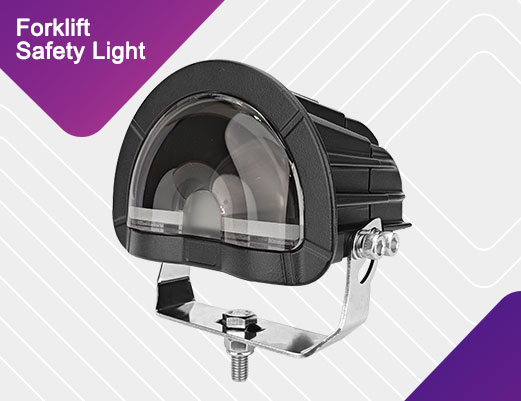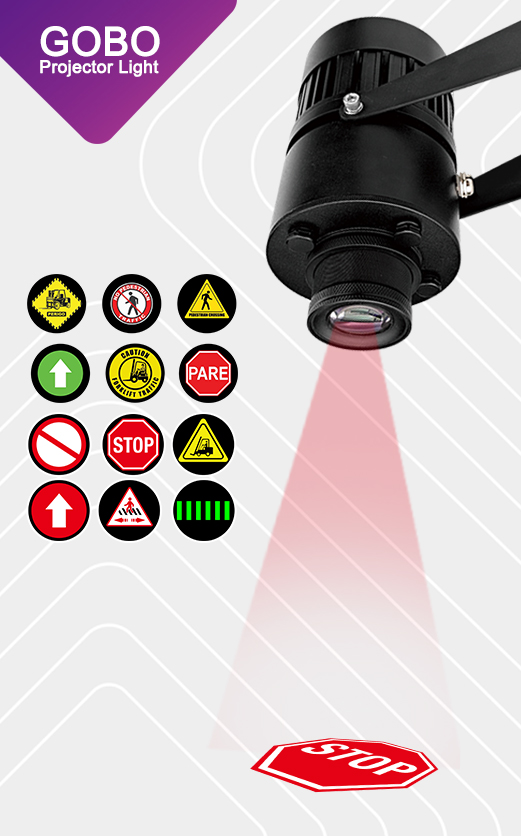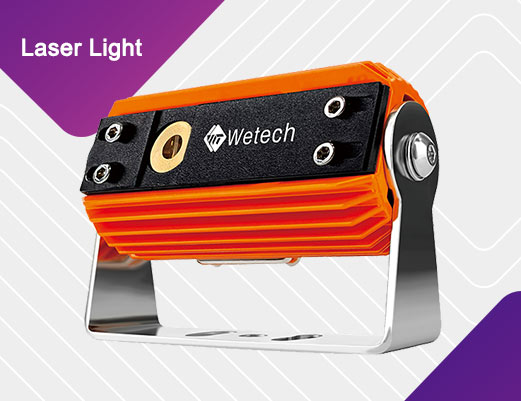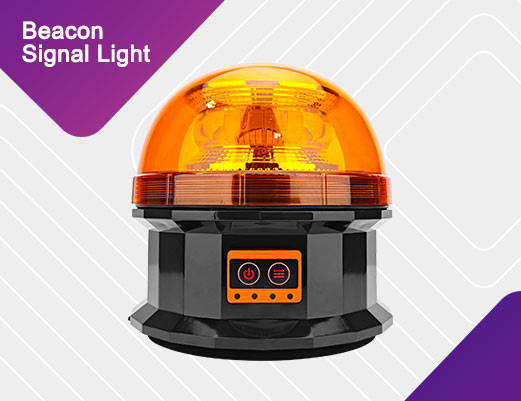
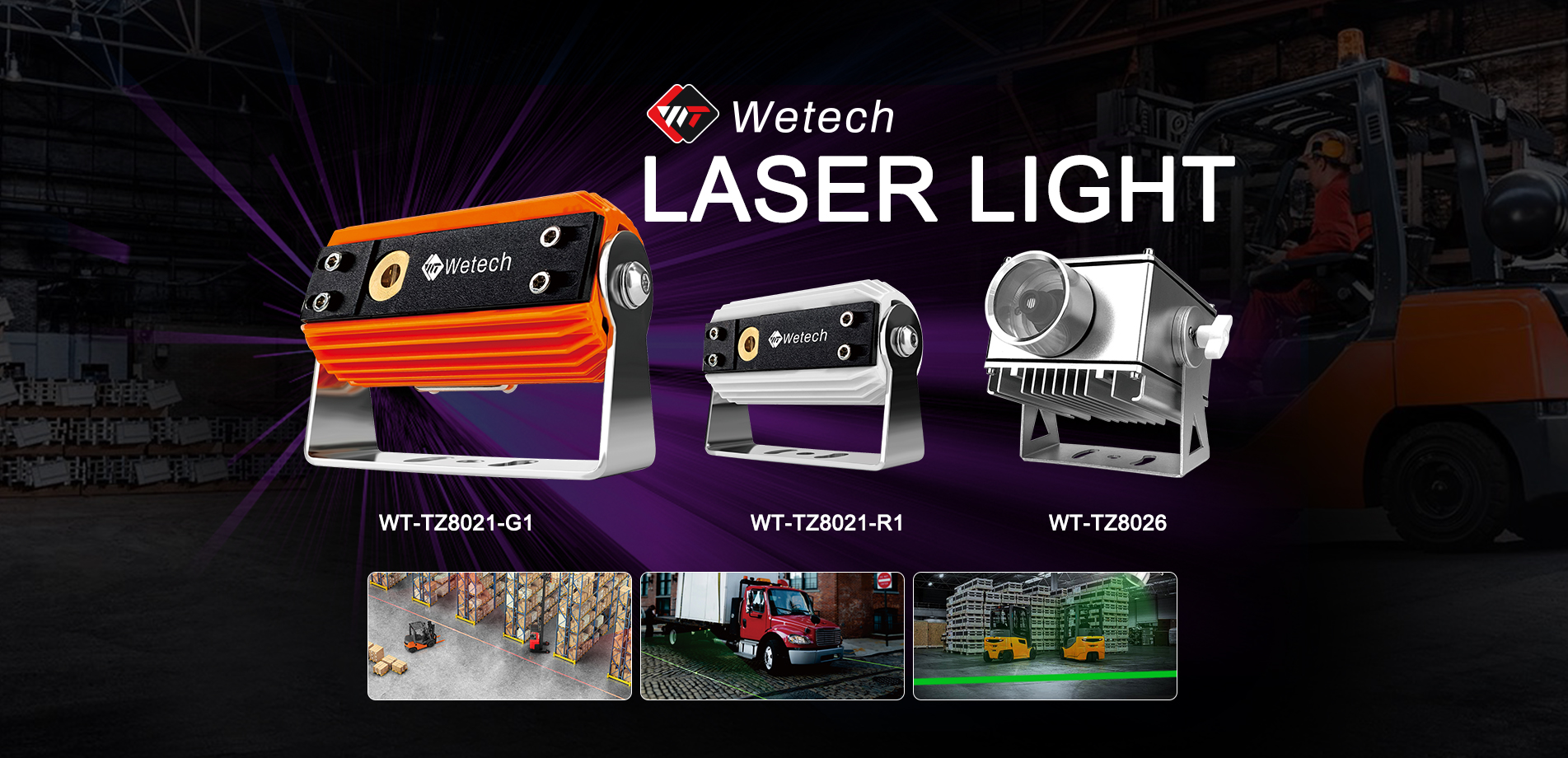
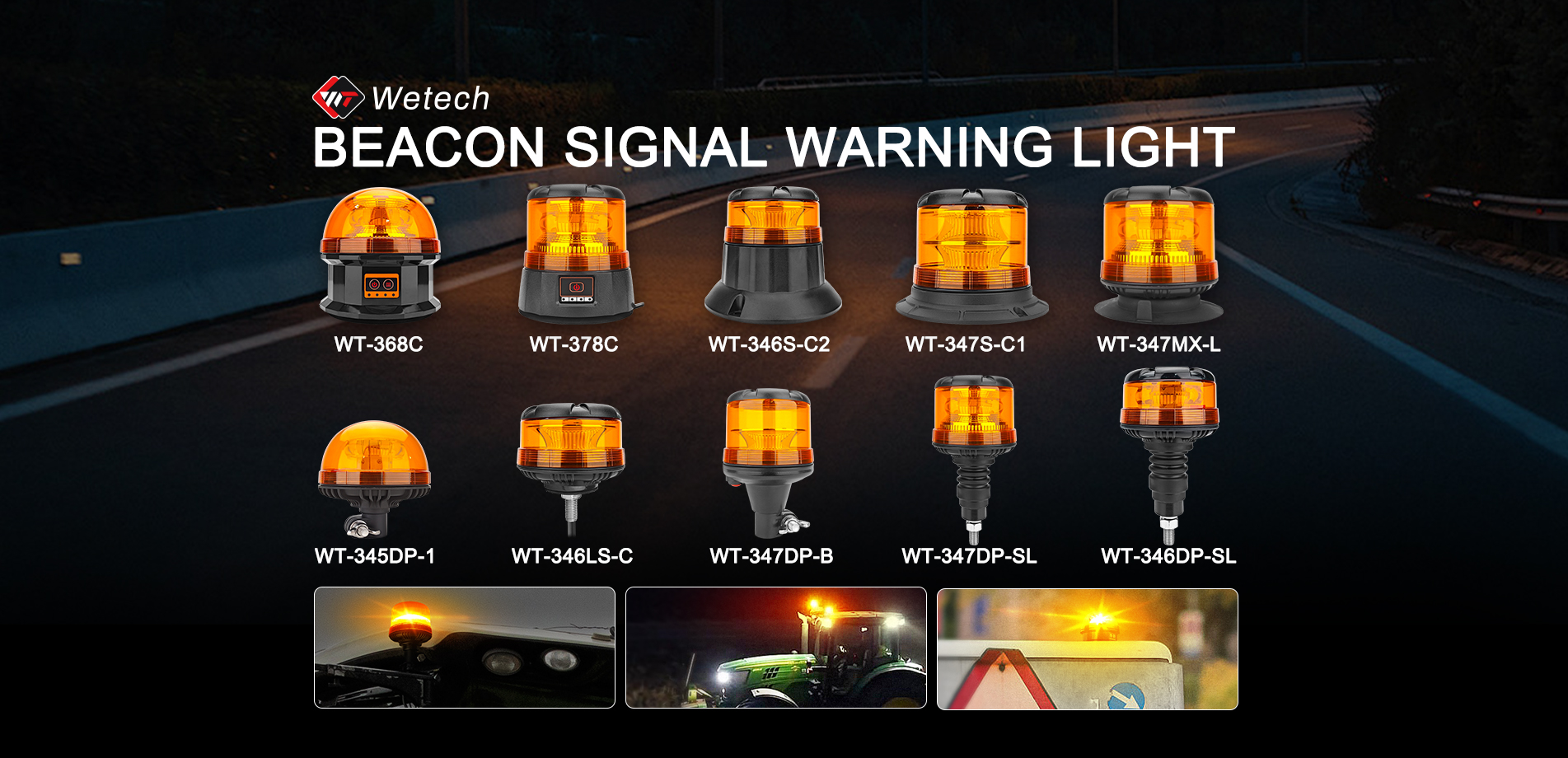
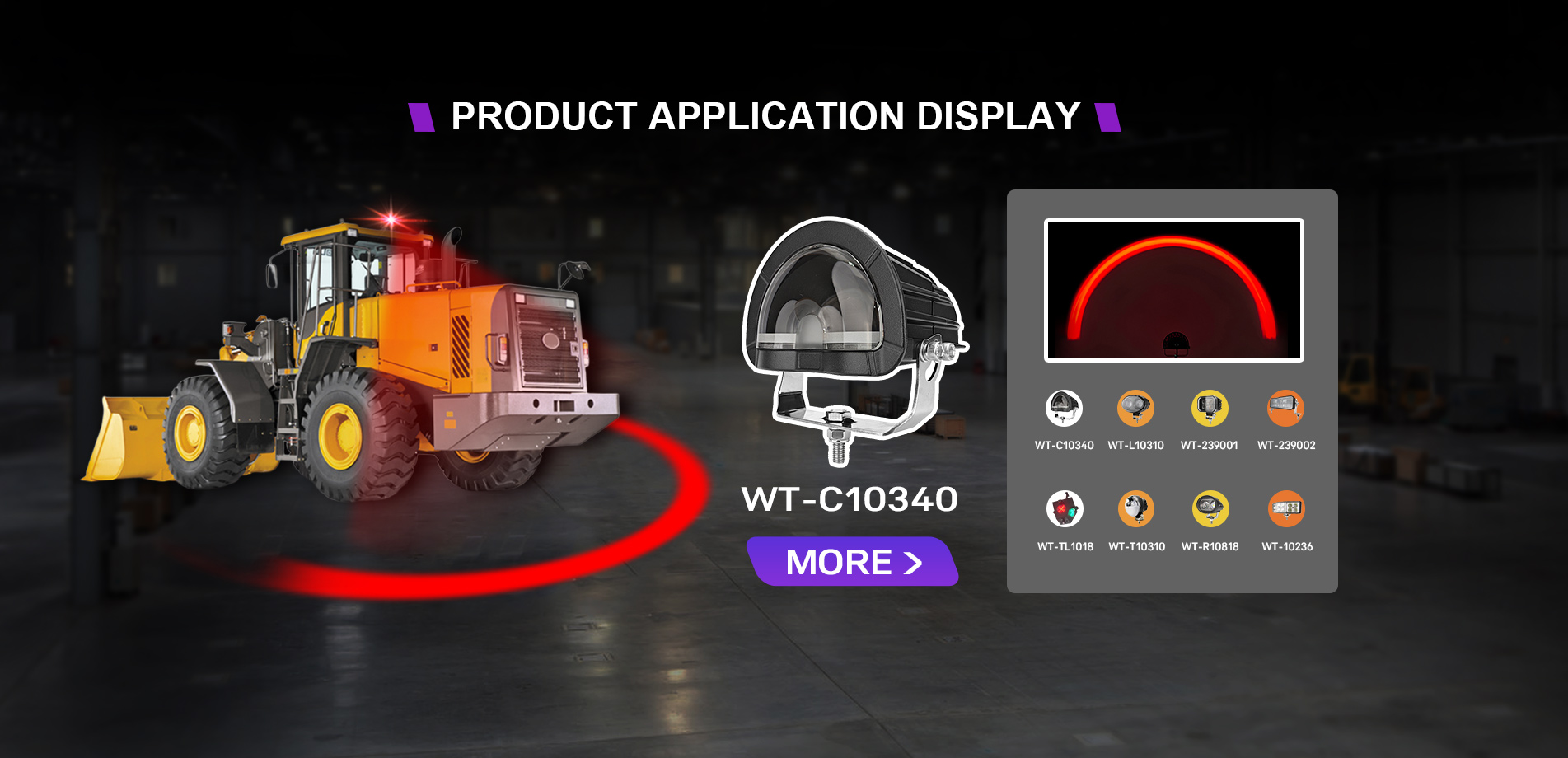
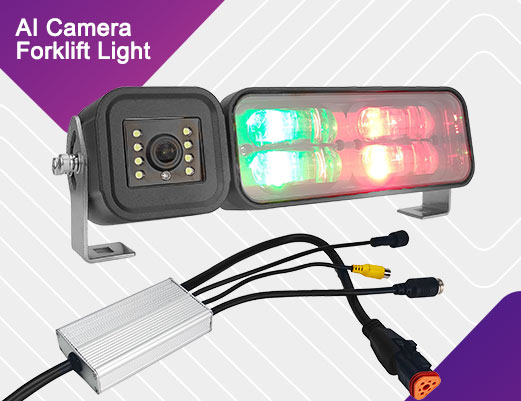
 Our Products
 About Us

R&D Innovation fuels our progress. We blend cutting-edge tech and customer insights to deliver smart, forward-thinking solutions—keeping you ahead

With development and innovation as our core values, our factory has independent designs, private molds for products and design patents. Our products have gained recognition from customers for high quality and good price.

Established in

facility covers an area of

Have employees
 ABOUT Wetech
 ABOUT Wetech
 ABOUT Wetech
 ABOUT Wetech
 ABOUT Wetech
 Our Advantages

Equipped with professional testing instruments, aging test equipment, SMT lines and assembly lines.

Professional engineering team for design, development & optimization. Custom solutions to meet your needs.

PATENT, ISO9001, E-MARK (R65, R10), CE, ROHS, REACH, MSDS, IP67...

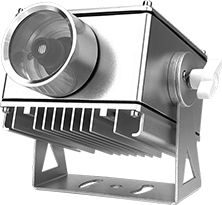
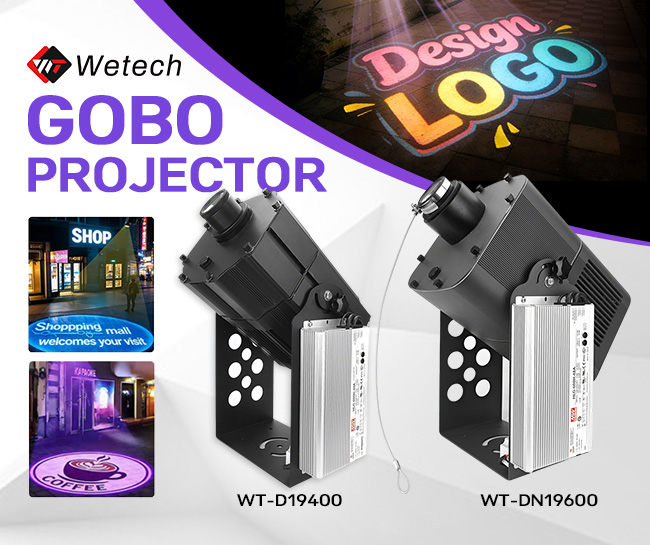
With rich technical experience and innovative design, we provide professional projection solutions with quality, clarity and stability.

Our strong production capacity can ensure stable and large-scale output to support long-term order fulfillment and market expansion.

Our team is equipped with excellent communication and coordination skills to provide the efficient and thoughtful services.
Our Blog
If you have any questions or would like to discuss your future projects with us, please contact us.



Phone : +86 -13924120087
Email : info@wetechhk.com
Address : UNIT NO.532B ON 5/F, STAR HOUSE, NO.3 SALISBURY ROAD, KOWLOON,HONGKONG
Copyright @ 2026 Wetech Electronic Technology Limited All Rights Reserved.  Network Supported
leave a message
Scan to Wechat :

Scan to WhatsApp :