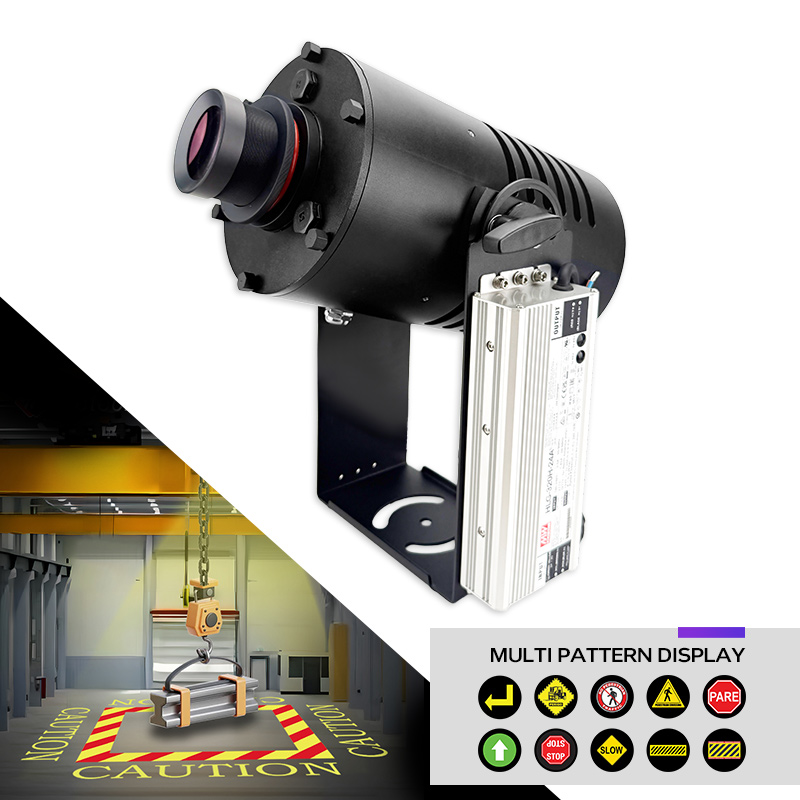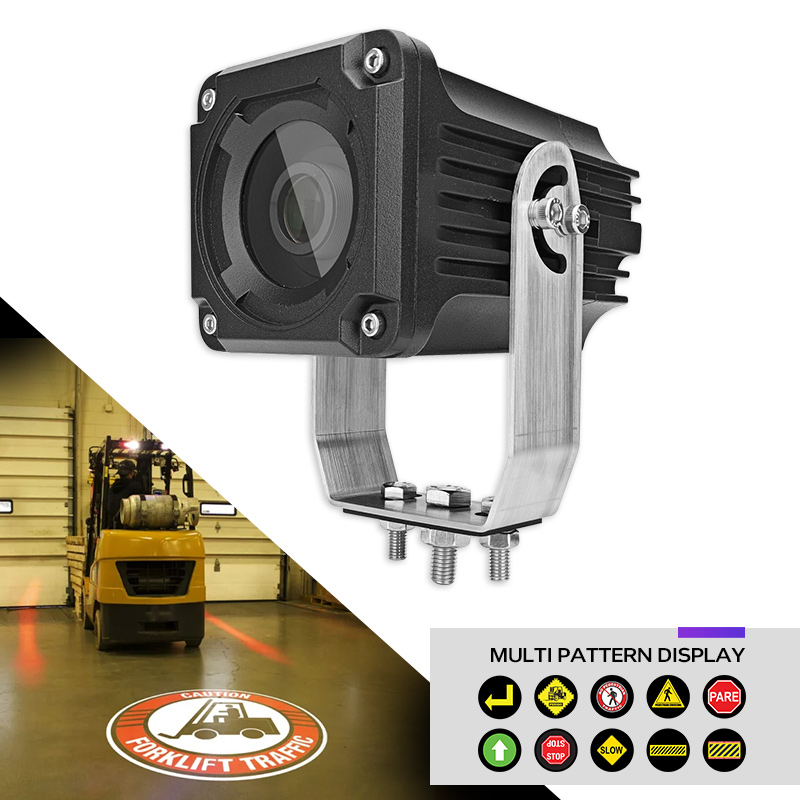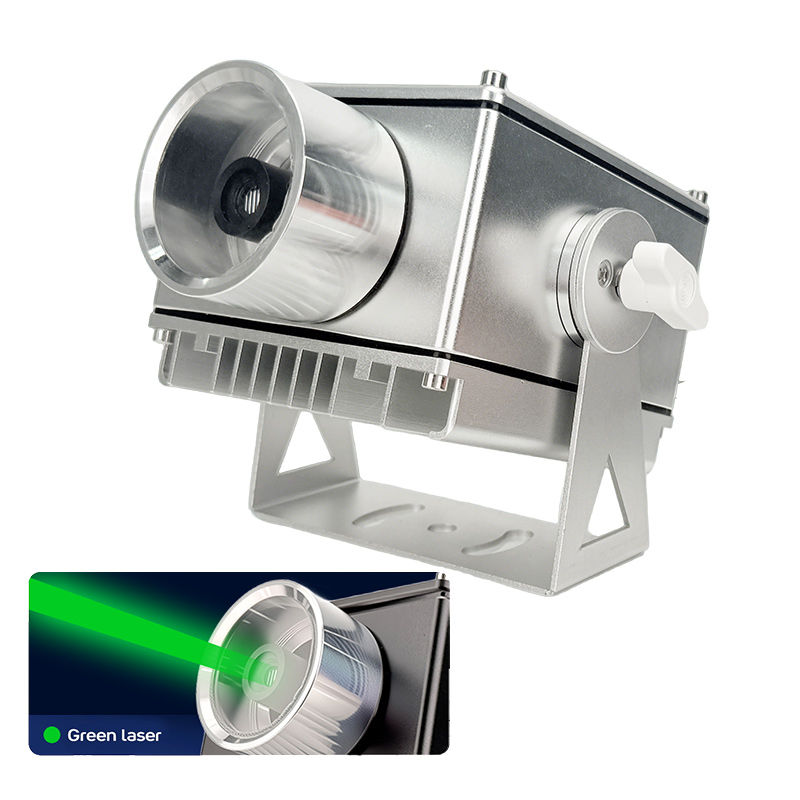

In the bustling environment of modern warehouses and industrial facilities, safety is paramount. Among the various hazards, the movement of forklifts poses a significant risk to both pedestrians and infrastructure. Traditional safety measures, such as audible alarms and flashing lights, have long been employed to mark forklift perimeters. However, the integration of Artificial Intelligence (AI) cameras into forklift warning line light systems represents a revolutionary leap forward, transforming passive alerts into active, intelligent guardians of workplace safety.
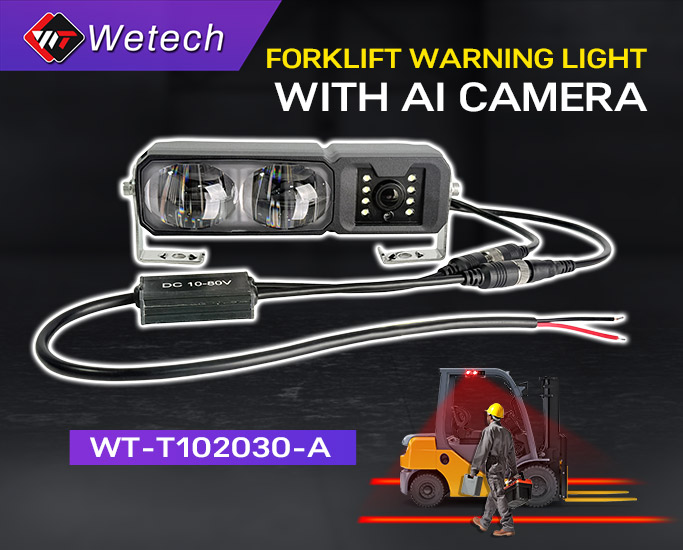
A standard forklift warning line light projects a highly visible beam—often red or blue—onto the floor around the vehicle, creating a dynamic "zone of danger" that moves with the forklift. This visual boundary effectively warns nearby personnel to maintain a safe distance. The integration of an AI camera elevates this system from a simple visual cue to a sophisticated monitoring and prevention tool. The camera, strategically mounted on the forklift, continuously scans the projected warning zone and its immediate surroundings.
The true power lies in the AI-powered software processing this visual data in real-time. Using advanced computer vision algorithms, the system can accurately distinguish between static objects (like racks or pallets) and human workers. When a pedestrian breaches or lingers within the warning line, the AI camera instantly identifies the intrusion. The system can then initiate a multi-tiered response. The primary warning light may intensify its flashing pattern or change color. Simultaneously, an alert can be sent directly to the forklift operator’s dashboard display, pinpointing the location of the intrusion. More advanced systems can even trigger directional audible warnings aimed at the pedestrian or automatically slow down the forklift’s operation.
The benefits of this synergy are profound. First and foremost, it proactively prevents accidents. By identifying risks before a collision occurs, it addresses the limitations of human observation, especially in noisy, visually cluttered, or high-traffic environments where operator attention can be divided. Secondly, it provides actionable data for safety management. The AI system can log near-miss events, identify high-risk zones within the facility, and analyze patterns of unsafe behavior. This data is invaluable for targeted safety training and optimizing workplace layout.
Furthermore, this technology fosters a shared safety culture. It acts as an impartial monitor, encouraging both operators and pedestrians to be more vigilant. Operators gain an enhanced "safety".



Phone : +86 -13924120087
Email : info@wetechhk.com
Address : UNIT NO.532B ON 5/F, STAR HOUSE, NO.3 SALISBURY ROAD, KOWLOON,HONGKONG
Factory Address: Dongguan, Guangdong Province, China
Copyright @ 2026 Wetech Electronic Technology Limited All Rights Reserved.  Network Supported
leave a message
Scan to Wechat :

Scan to WhatsApp :